


Prabha Eye Clinic and Research Centre was started as a private medical facility in 1940 by the Late Dr. B. K. Narayana Rao, MBBS, D.OXON, MRCS, DPH after his retirement as senior surgeon of the Mysore State Medical Services. At its inception, it was located at 18, National High School Road, V. V. Puram, Bangalore with 16 inpatient beds, an operating theatre and an out – patient facility for the treatment of eye disorders.
Dr. B. K. Narayana Rao trained in Ophthalmology and was the head of Minto Ophthalmic Hospital, Bangalore for a period of 25 years. After retirement, he started Prabha Eye Clinic as a private hospital and went on to train many doctors in the field of Ophthalmology, in the private sector. In those years, this centre became well known for its excellence in eye care and treated patients from all over India. Several research papers were also presented through this institution at various national conferences.
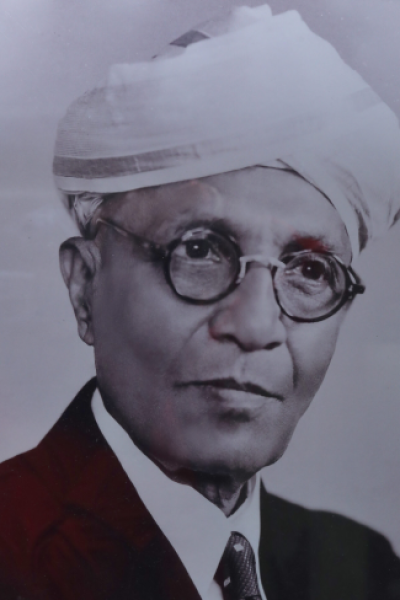
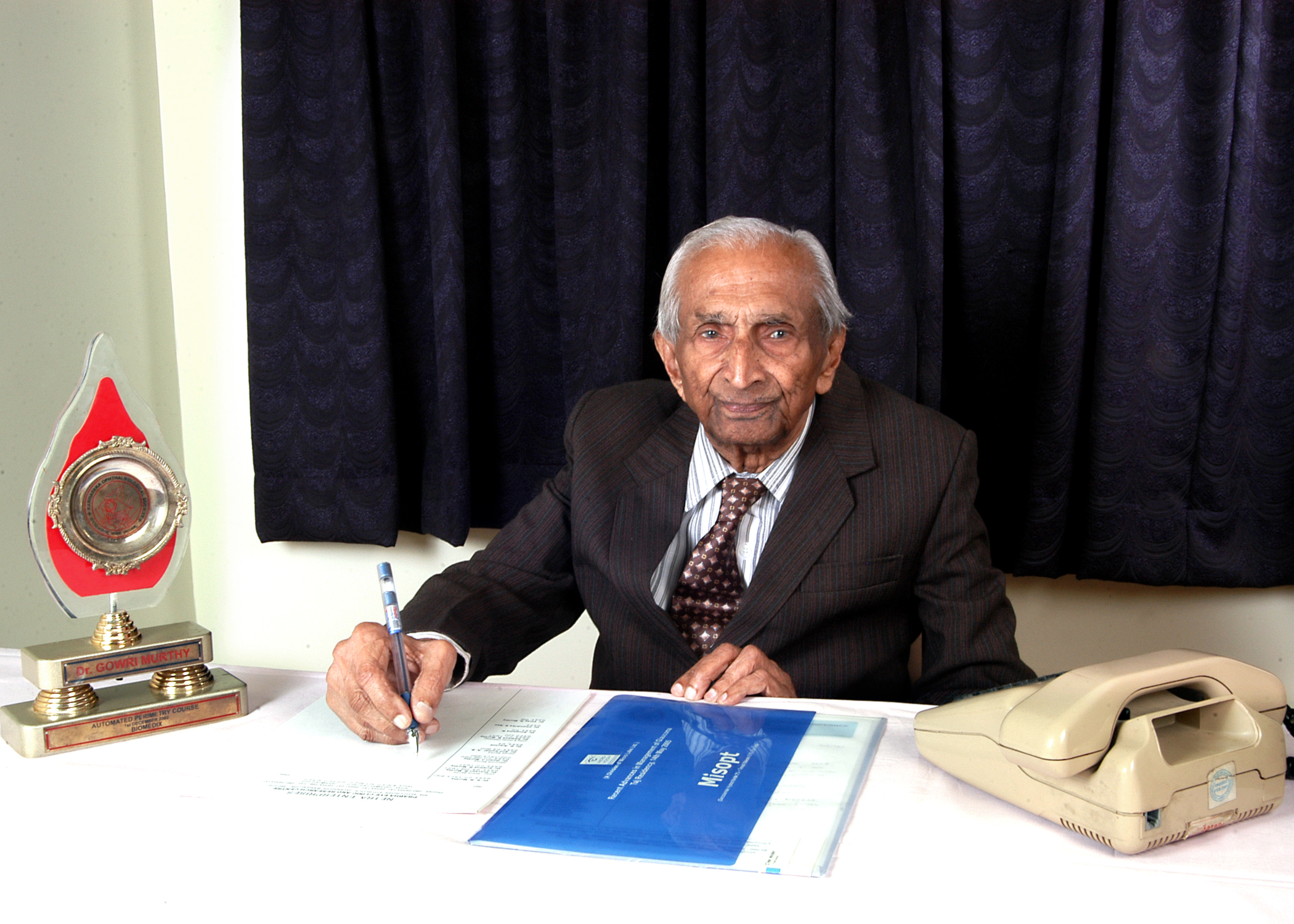
In 1953, Dr. H. Krishna Moorthy, MBBS, DOMS, son – in – law of Dr. B. K. Narayana Rao took over the practice, and the institution continued providing treatment for eye disorders along with its activities of rendering services to the poor and needy.
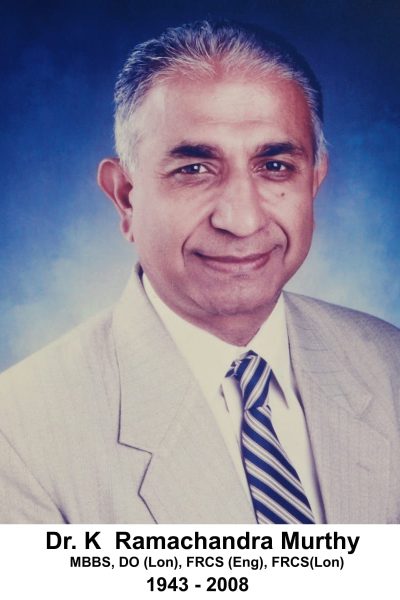
In 1971, Dr. K. R. Murthy, MBBS, DOMS, FRCS, son of Dr. H. Krishna Moorthy, returned from England and joined the practice, and was instrumental in the growth of the institution.
In 1976, the hospital shifted its premises to 186, 25th Cross, 3rd Block, Jayanagar, Bangalore with 16 inpatient beds, an operating theatre and an out – patient facility with the latest equipment for the treatment of eye disorders.
In 1988, in order to cater to the growing needs of the hospital which were constrained due to a lack of space, a five storeyed building was constructed at No. 504, 40th Cross, 8th Block, Jayanagar, Bangalore. The new premises housed 40 inpatient beds, 3 operating theatres, and an out-patient unit with 10 consulting rooms, with the latest equipment for the treatment of eye disorders.
A small laboratory was set up to carry out microbiological work required for Ophthalmic practice along with some basic biochemical investigations.Prabha Eye Clinic also came to be recognised as an Eye Bank Centre with facilities to collect donor eyes and carry out Keratoplasty.
A library was set up and equipped with the latest Ophthalmological books and journals.Peripheral services were set up in conjunction with Sri Keshava Public Charitable Trust at Magadi, Hosur and Anekal where patients were seen free of cost or at concessional charges, and surgeries were carried out free of cost.
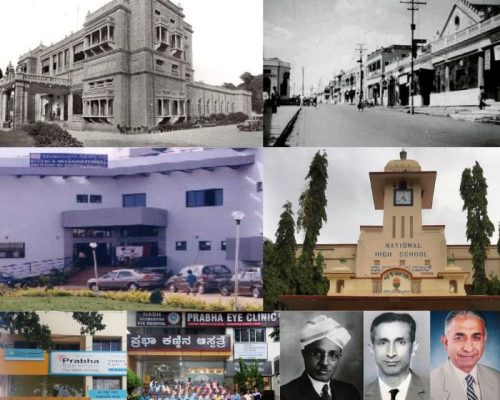
In 1994, Prabha Eye Clinic was recognised by the National Board Of Examinations as a Training Institute for Post graduate students, who are enrolled every year for a 3 year training in the Diplomate of National Board (DNB) programme.
In 2008, after the demise of Dr. K.R. Murthy, Prabha Eye Clinic continued to be in the forefront of technology and excellence in eye care with an excellent team of doctors and staff committed to the vision and mission of the hospital led by their Medical Director, Dr. Vinay R Murthy. The hospital has continuously strived to upgrade the diagnostic equipment to international standards, Modular operating theatres and State of the Art Central Sterile Supply Department, Advanced and latest eye care procedures like Robotic cataract surgeries, Contoura Bladeless Femtolasik procedures and 3D operating microscope Artevo 800 from Carl Zeiss to name a few.
The hospital was conferred the Coveted NABH Accreditation in 2017.
The Glaucoma services led by Dr. Gowri J Murthy and the Uvea and Ocular Inflammation services led by Dr. Kalpana B Murthy offer comprehensive care of international standards and serve as a tertiary referral centre across India.
The orbit and Oculoplasty department headed by Dr. Smitha handled multiple cases of Mucormycosis (Black fungus) during the COVID times.
Many little children battling Retinoblastoma have been benefitted by the expertise of Dr. Fairooz Manjandavida, our Ocular Oncologist with the financial assistance provided by IKSHA Foundation.
Dr. Geethanjali and other Consultants have been in charge of the Pediatric Ophthalmology Department, the myopia control clinic and the Low vision aids. They ensure to give the best care for all the little children who visit them.
We have the best diagnostic array for caratact surgeries and our cataract team led by Dr. Praveen R Murthy ensures 100% best outcomes.
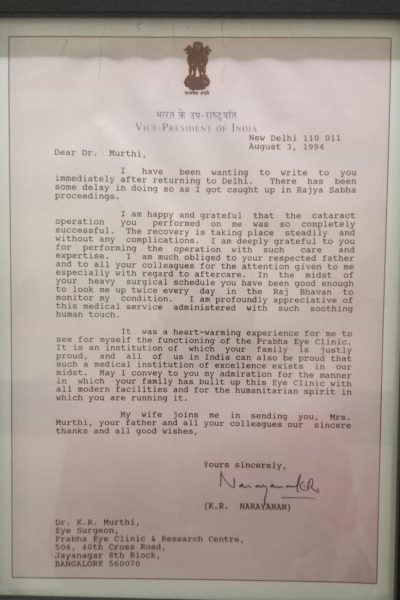
Cornea and Refractive Surgery services led by Dr. Vinay R Murthy, along with Dr. Roopashri Matada, and Dr. Kavya N., have a platter of top-end surgeries including Contoura Bladeless Femtolasik procedures, Lasik Surgeries and Epilasik surgeries to offer.
The Neurophthalmology department is led by Dr. Krishna R Murthy along with Dr. Geethanjali. We receive a lot of referrals from neuro care centres and these patients along with our own patients are very efficienty managed by our team.
Dr. Arvind is highly sought for his expertise in contact lens. We have a very well equipped contact lens department.
The Ocular prosthesis department led by Mrs. Archana Murthy has carved a niche for itself. Cosmetic rehabilitation for patients by implanting ocular prosthesis helps to restore the patients’ confidence by improving their appearance.